

The regulations include filing accurate tax returns for individuals and businesses, understanding deductions and credits, and complying with tax deadlines. Going beyond basic bookkeeping, accountants possess advanced skills in analyzing, interpreting, and communicating financial information, crucial for informed business decision-making. The Certified Public Bookkeeper (CPB) license, offered by the National Association of Certified Public Bookkeepers (NACPB), presents a comprehensive standard for advanced bookkeeping knowledge. The CPB license ensures that the holder is equipped with a high level of proficiency in bookkeeping practices, managing payroll, QuickBooks, accounting, and tax fundamentals. Intuit offers various certifications for QuickBooks, a widely used accounting software that demonstrates proficiency in its usage and application. Earning a QuickBooks certification involves studying the material provided by Intuit, which often includes online training modules and practice exams.
Services
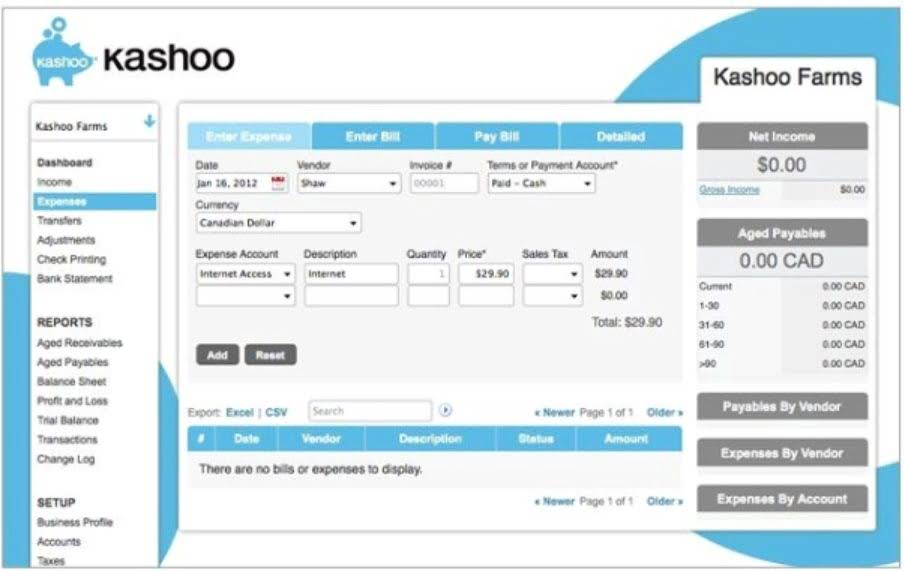
QuickBooks outsourcing services involve remote experts managing your books using the software, from entries to reports, saving time and costs. QuickBooks outsourcing services provide structured workflows and expert oversight, ensuring clean and reliable financial data. The team works with Intuit’s Tax and Bookkeeping experts, Grocery Store Accounting recruiters, and thought leaders. It provides valuable resources, insights, and opportunities to help people achieve their career goals and business ambitions. Opting for a specialized service like ADCPA can significantly enhance financial oversight. It is noteworthy that ADCPA is recognized not just as a typical accounting service but as a vital asset in guiding practices towards financial success.
Accountant Salary and Benefits
Automation improves accuracy, reduces manual work, and helps manage complex financial needs. Bookkeeping is the day-to-day recording and organizing of financial transactions. Accounting involves analyzing, interpreting, and reporting on financial data to provide strategic business insights.
Bookkeeping vs accounting: What’s the difference for your small business?
Bookkeepers primarily use software and tools designed to record and organise financial transactions. Common bookkeeping software includes QuickBooks, Xero, FreshBooks, and Wave. These platforms simplify tasks such as managing ledgers, issuing invoices, reconciling bank statements, and tracking accounts payable and receivable.

Identifying the essential skills of bookkeeping and accounting professionals is vital for business owners. These skills contribute significantly to the proper financial management of any business, regardless of its size. Bookkeeping focuses on the day-to-day financial activities and transactions of a business. Accountancy goes beyond the basic record-keeping functions of bookkeeping.
- Switched from cash to accrual accounting for true visibility, worked through $1M invoice backlog, and provided CFO modeling for cash planning.
- The accountant maintains and compiles the records of a company’s daily transactions into financial statements such as the income statement, statement of cash flows and balance sheet.
- Bookkeepers and accountants must adhere to ethical and industry standards and maintain professional conduct.
- Similar to other nonprofit organizations, churches must fund their mission while complying with a variety of record keeping requirements and laws.
- Without this collaboration, businesses risk inefficiencies, errors, missed opportunities, and even penalties.
- The financial statements help to assess the performance of a company by all stakeholders.
Regular financial reports give business owners and managers the information they need to make decisions. Bookkeepers keep these records up-to-date, while accountants prepare and analyze the statements. They help business owners make decisions by interpreting data and providing guidance on financial strategy.
What is the difference between bookkeeping and accounting?
Their expertise often requires specialized training or a college degree in accounting. A bookkeeper is responsible for recording all day-to-day financial transactions for a business. They keep track of purchases, sales, receipts, and payments in ledgers or computerized systems. Accounting software offers difference between bookkeeping and accounting more advanced features beyond simple recording. It not only tracks transactions but also provides tools for financial reporting, budgeting, and tax preparation. It may include inventory management, payroll, and multi-currency options.
- For service-based businesses, this reduces invoicing delays and improves collections by up to 25%.
- Occasionally, we may need additional documents, such as account statements or receipts, to ensure the information we have is accurate.
- During tax season, accountants prepare tax returns for both businesses and employees.
- These tools help bookkeepers focus on user-friendly and automated software to record transactions, generate financial statements, and handle back-office tasks.
- Workday offers integrated solutions that seamlessly connect bookkeeping and accounting, helping business owners make informed, data-driven decisions.
Bookkeeping vs. accounting: Key differences

Planning also involves checking if the business can afford to grow, hire, or invest in new equipment. By doing this, accountants help business owners set realistic goals and show investors https://www.bookstime.com/ that the company is planning well for the future. Their main focus is organizing, tracking, and validating every transaction so records are clear and available for review.